Dutch · Intermediate
Read De kleine Rudolf in Dutchwith every sentence explained
English title: Little Rudolf
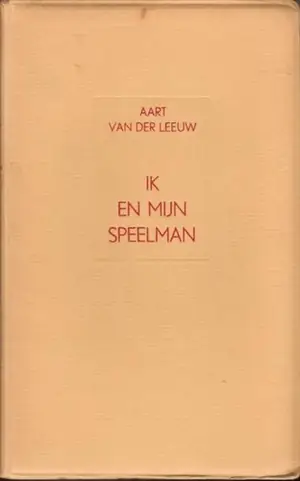
Aart van der Leeuw · 1930
Free to start · iPhone, iPad & Mac
About the book
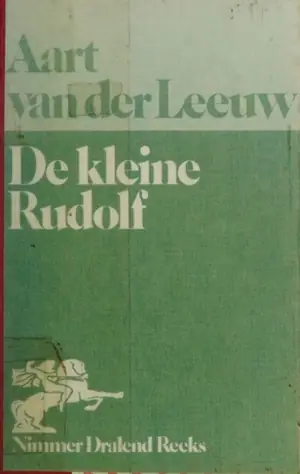
De kleine Rudolf by Aart van der Leeuw was first published in 1930. In Passage you read the full text in the original Dutch, marked intermediate and filed under fantasy and historical fiction. It runs to about 56,800 words.
A little clerk with ink on his fingers and a head full of dreams. A man who never quite stopped being a child.
Rudolf is a small, stooped office clerk in a battered wide-brimmed hat. Long ago, when his guardian's money ran out, he gave up his studies; now he spends his days on a high office stool, adding up figures. One autumn day he rents a damp basement beneath a beautiful house near the dunes — and soon he is dreaming his way into the lives of the family upstairs: the lovely young mother and her children, Georgine and Wouter.
Then, just before his fortnight's holiday, a letter arrives from his cousin Martha, who ran away to work on farms and whom he barely remembers. Would he come and stay at her new farmhouse?
Aart van der Leeuw's last novel, Little Rudolf (1930), is a gentle, dreamlike fable about the child hidden inside every grown-up — so loved that it reached its twentieth printing.
- Author
- Aart van der Leeuw
- First published
- 1930
- Language
- Dutch
- Level
- Intermediate
- Genre
- Fantasy, Historical Fiction
- Length
- About 56,800 words
How it opens
De bel gaat over met een klank als van gebarsten ijzer... La Cloche fêlée.
Diezelfde middag had ik er al een heel carillon van laten luiden, tinkelende electrische, dieptonige bronzen, snerpende. Hieruit kan iedereen afleiden, dat ik naar een huis loop te zoeken. Een glimlach?
Reading De kleine Rudolf in Passage
Passage sets the book as a quiet, paginated reader in Dutch. Read at your own pace, and when a sentence stops you, tap it. You get:
- a natural translation of that exact sentence,
- a short note on the grammar, in plain words,
- the key words, which you can save with the sentence they came from,
- all of it in English, Spanish, French, German, Italian, Turkish or Portuguese, whichever you read best.
It's marked intermediate: comfortable once everyday Dutch feels familiar, with the harder sentences one tap away. The words you save come back later in short review games, so the book keeps teaching after you close it.