Dutch · Intermediate
Read De loteling in Dutchwith every sentence explained
English title: The Conscript
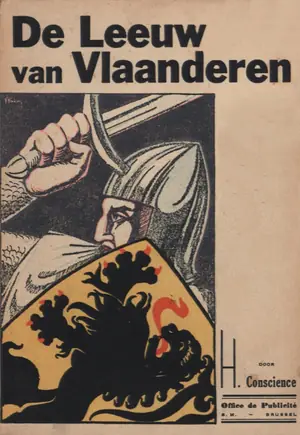
Hendrik Conscience · 1850
Free to start · iPhone, iPad & Mac
About the book
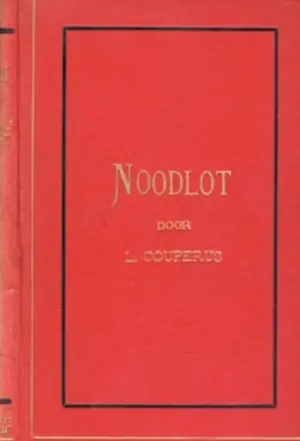
De loteling by Hendrik Conscience was first published in 1850. In Passage you read the full text in the original Dutch, marked intermediate and filed under historical fiction and romance. It runs to about 27,700 words.
A Flemish village, a lottery of fate, and a love that must survive the years apart.
Near the woods of Zoersel in the Flemish Kempen, two poor widows and their children live side by side in two clay cottages, sharing everything as if they were one family: their work, their bread, their ox and their cow. Young Jan and his neighbour Trien have grown up together, and without ever saying a word about it, they love each other with all their hearts.
Then the state comes to claim its “tax of blood”. Jan is drawn in the conscription lottery and must leave for years of army service far away. The whole household walks him to the linden tree by the crossroads to say goodbye. Back home, Trien teaches herself to write again, so she can send him a letter — but news from Jan is rare.
Hendrik Conscience's The Conscript (1850) is a short, heartfelt village tale, a classic of Flemish school reading about simple love and loyalty.
- Author
- Hendrik Conscience
- First published
- 1850
- Language
- Dutch
- Level
- Intermediate
- Genre
- Historical Fiction, Romance
- Length
- About 27,700 words
How it opens
De jongste lentezon stond in vollen luister op hare blauwe hemelbaen te glansen. - Als ware zy het majestatisch gelaet der Godheid die, met aenlachenden blik, het geschapene toeroept: ‘Op! op! de winter is gedaen, herleeft en weest vrolyk voor myn aenschyn!’ - zoo mildelyk spreidde zy haer jeugdig licht over heide en velden, en deed den natten bodem onder den gloed harer stralen gisten en smooken.
Reading De loteling in Passage
Passage sets the book as a quiet, paginated reader in Dutch. Read at your own pace, and when a sentence stops you, tap it. You get:
- a natural translation of that exact sentence,
- a short note on the grammar, in plain words,
- the key words, which you can save with the sentence they came from,
- all of it in English, Spanish, French, German, Italian, Turkish or Portuguese, whichever you read best.
It's marked intermediate: comfortable once everyday Dutch feels familiar, with the harder sentences one tap away. The words you save come back later in short review games, so the book keeps teaching after you close it.