Dutch · Advanced
Read Pallieter in Dutchwith every sentence explained
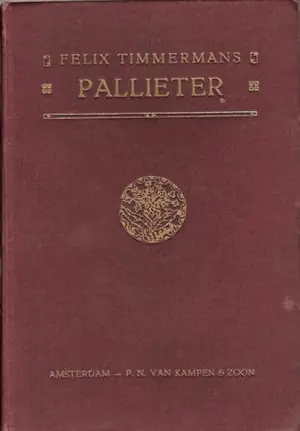
Felix Timmermans · 1916
Free to start · iPhone, iPad & Mac
About the book
Pallieter by Felix Timmermans was first published in 1916. In Passage you read the full text in the original Dutch, marked advanced and filed under historical fiction. It runs to about 54,800 words.
A man who sings to the moon, rolls in the grass and eats like a king. Pure joy, bound in a book.
Pallieter lives on the banks of the river Nete, near the Flemish town of Lier, in an old farmhouse that his sister Charlot keeps for him. He has only one job in life: to enjoy it. He greets the sunrise, swims in the river, lies in the meadows watching the clouds, feasts on pancakes at the village fair and plays music under the stars.
Season by season, from the first fine morning in May to the snows of winter, the book follows his overflowing happiness — and the day he meets Marieke, who brings love into his sunlit world.
Written by Felix Timmermans after a serious illness, Pallieter (1916) burst like a ray of sunshine into the darkness of the First World War. Lyrical, earthy and full of Flemish colour, it became the most-read Flemish novel abroad and was filmed in 1976.
- Author
- Felix Timmermans
- First published
- 1916
- Language
- Dutch
- Level
- Advanced
- Genre
- Historical Fiction
- Length
- About 54,800 words
How it opens
In die eerste Lieve vrouwkensdagen was de Lente ziek. De zon bleef weg en klaterde maar van tijd tot tijd, zoo door een wolkenholleken, een bussel licht op de gele boterbloemen. Het versche groen dat zij langs alle kanten geweldig uit den grond, de boomen en het water had gezogen, zat er ongeduldig naar te wachten.
Reading Pallieter in Passage
Passage sets the book as a quiet, paginated reader in Dutch. Read at your own pace, and when a sentence stops you, tap it. You get:
- a natural translation of that exact sentence,
- a short note on the grammar, in plain words,
- the key words, which you can save with the sentence they came from,
- all of it in English, Spanish, French, German, Italian, Turkish or Portuguese, whichever you read best.
It's marked advanced, with richer vocabulary and longer sentences. If it feels heavy, start with an intermediate Dutch book and come back to it. The words you save come back later in short review games, so the book keeps teaching after you close it.