Dutch · Intermediate
Read Het kindeken Jezus in Vlaanderen in Dutchwith every sentence explained
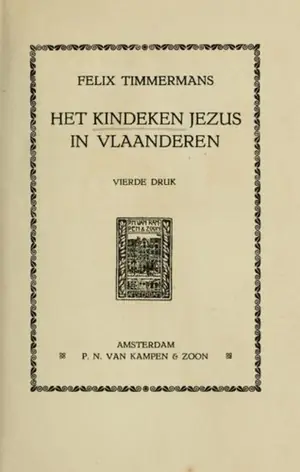
English title: The Christ Child in Flanders
Felix Timmermans · 1917
Free to start · iPhone, iPad & Mac
About the book
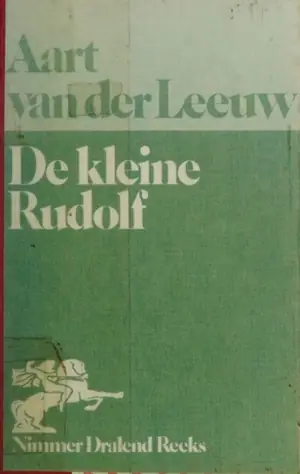
Het kindeken Jezus in Vlaanderen by Felix Timmermans was first published in 1917. In Passage you read the full text in the original Dutch, marked intermediate and filed under children and historical fiction. It runs to about 46,200 words.
Bethlehem lies under the snow. The shepherds speak Flemish. And the Holy Family are poor village folk.
Felix Timmermans tells the Christmas story as if it had happened in the Flanders of the old painters. Maria is an eighteen-year-old lacemaker who lives alone in a little white house, longing for children of her own, when the angel comes to her. Jozef, sitting in the sun on a felled beech, broods over a miracle he cannot understand. Their journey for the census ends in a snowbound town of windmills, inns and ramparts.
There are shepherds around a crackling fire, three kings with their splendid retinues, a cruel Herod in his castle, and Ghent standing in for Jerusalem — and everywhere the warm, earthy life of farmers, beggars, priests and children.
Told in eleven glowing tableaux full of colour and Flemish humour, The Christ Child in Flanders (1917) is Timmermans' much-loved Christmas classic, as cosy and radiant as a Bruegel winter scene.
- Author
- Felix Timmermans
- First published
- 1917
- Language
- Dutch
- Level
- Intermediate
- Genre
- Children, Historical Fiction
- Length
- About 46,200 words
How it opens
Murmelend bad Maria in de late Zondagstilte:
„Hij kusse mij met den kusse zijns mondts; want uw borsten zijn beter dan wijn. Welriekende naar de alderbeste zalven; uitgestorte oly is uw naam, daarom hebben de jonge dochterkens u bemint ….
„Ik ben een bloeme des veldts en eene lelie der dalen …
Reading Het kindeken Jezus in Vlaanderen in Passage
Passage sets the book as a quiet, paginated reader in Dutch. Read at your own pace, and when a sentence stops you, tap it. You get:
- a natural translation of that exact sentence,
- a short note on the grammar, in plain words,
- the key words, which you can save with the sentence they came from,
- all of it in English, Spanish, French, German, Italian, Turkish or Portuguese, whichever you read best.
It's marked intermediate: comfortable once everyday Dutch feels familiar, with the harder sentences one tap away. The words you save come back later in short review games, so the book keeps teaching after you close it.